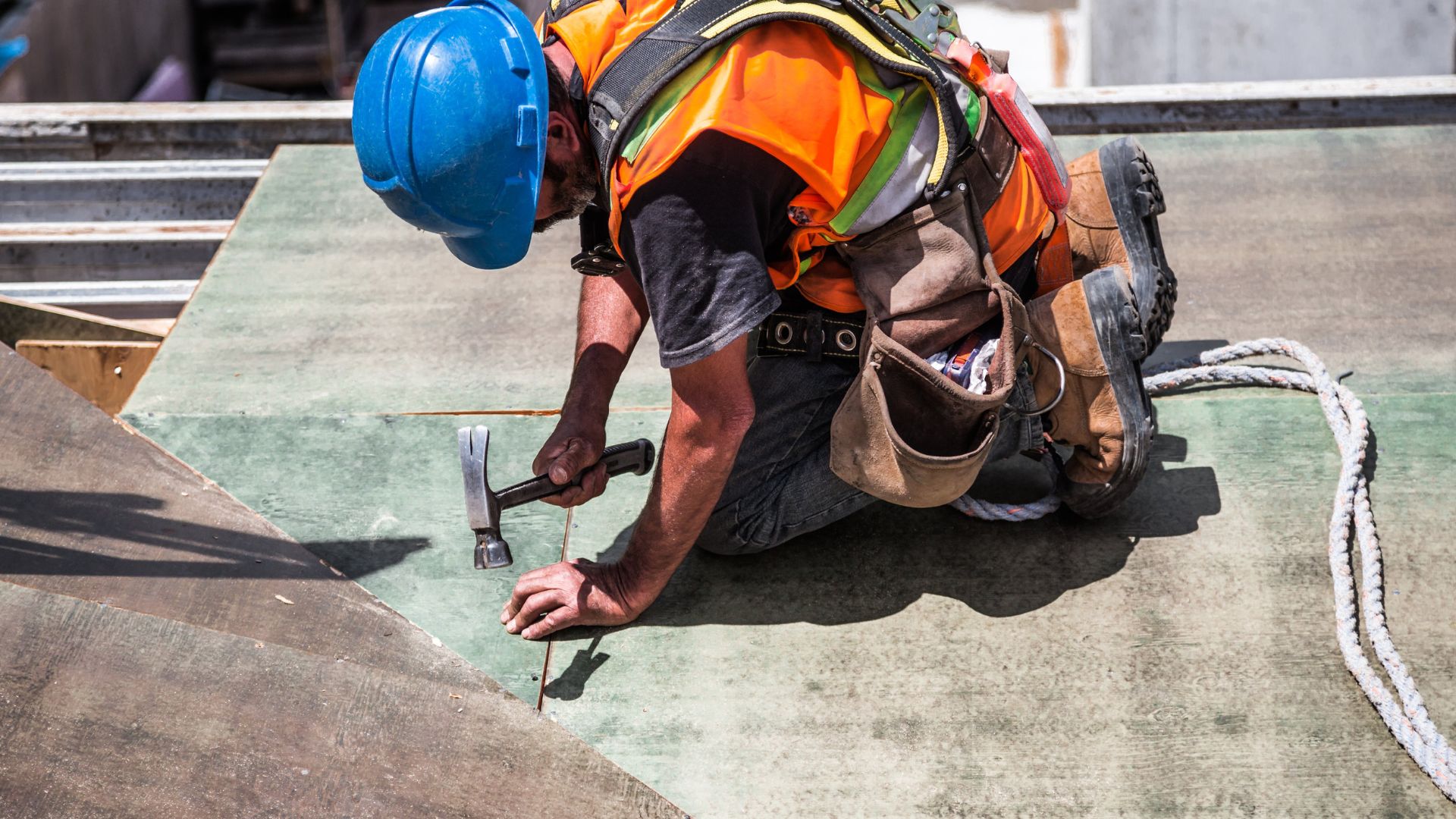
In the bustling city of Plano, construction sites are a common sight, symbolizing growth and development. However, these dynamic environments come with their own set of challenges, particularly when it comes to ensuring the safety and well-being of workers. A crucial aspect of workplace safety that is often overlooked is the need for CPR certification among construction workers. In this blog post, we will explore why obtaining CPR certification is not just beneficial but essential for those working in construction. We will delve into the specific risks faced on construction sites, the importance of timely intervention during emergencies, and how CPR training can make a life-saving difference. As we embark on this journey to understand more about CPR certification for construction workers in Plano, it’s vital to acknowledge the role that proper training plays in creating a safer work environment. Stay tuned as we highlight the key benefits, training options, and why businesses should prioritize this critical aspect of safety.
Why CPR Certification Matters for Construction Workers
Construction sites in Plano are synonymous with progress, yet they also pose significant hazards, reinforcing the importance of preparedness through CPR certification. The dynamic nature of construction work means that accidents can occur suddenly, making it crucial for workers to be equipped with the skills to respond effectively. CPR training empowers workers to act swiftly in the critical moments following an accident, potentially saving lives and reducing the severity of injuries.
Understanding the specific risks associated with construction sites is pivotal. From falls and electrical shocks to heavy machinery accidents, the potential for injuries is high, and the response time in these situations is often the difference between life and death. By ensuring that construction workers are CPR certified, businesses not only comply with safety regulations but also demonstrate a commitment to worker well-being.
At CPR Certification Plano, we offer comprehensive training programs tailored to meet the unique needs of construction workers. Our courses are designed to provide practical, hands-on experience, ensuring that participants are well-prepared to handle emergencies effectively. By prioritizing CPR certification, construction companies can foster a culture of safety and preparedness, ultimately leading to a more secure working environment.
How to Choose the Best CPR Course in Plano
Choosing the right CPR course in Plano is crucial for construction workers who want to ensure they are fully prepared for emergencies. Given the high-risk nature of construction sites, selecting a course that offers comprehensive, hands-on training tailored to industry-specific hazards is vital. A good CPR course should not only meet regulatory standards but also provide practical skills that can be applied in real-life scenarios.
When evaluating CPR courses, consider the following key factors: course content, instructor qualifications, and flexibility of scheduling. The best courses will cover essential life-saving techniques, such as chest compressions and rescue breathing, and offer modules specifically designed for construction-related emergencies, such as falls or electrical incidents. Experienced instructors with a background in emergency response or healthcare can provide invaluable insights, enhancing the learning experience.
Another important consideration is the accreditation of the course. Ensure that the training provider is recognized by reputable organizations, which guarantees that the certification is valid and respected within the industry. Additionally, look for courses that offer flexible scheduling options, allowing workers to balance their training with job commitments without disrupting project timelines.
For construction companies in Plano seeking to prioritize safety, investing in a high-quality CPR course is a proactive step towards safeguarding workers. By equipping employees with the necessary skills to respond effectively in emergencies, businesses not only fulfill safety obligations but also demonstrate a strong commitment to creating a secure work environment. Engaging in this critical training can significantly contribute to reducing workplace accidents and enhancing overall site safety.
Understanding CPR Certification Requirements in Texas
In Texas, understanding the requirements for CPR certification is essential for those working in high-risk environments such as construction sites. The state mandates specific guidelines to ensure that CPR training is both effective and comprehensive, providing workers with the skills needed to respond to emergencies confidently.
The Texas Department of State Health Services outlines that CPR certification must be obtained through an accredited training provider. This ensures that the instruction meets state-approved standards, equipping individuals with up-to-date knowledge and techniques. For construction workers, this is particularly crucial given the array of potential hazards encountered on-site, from falls to machinery accidents.
Obtaining CPR certification in Texas also involves completing a course that includes hands-on practice. This practical component is vital, as it allows workers to apply what they’ve learned in a controlled environment, boosting their confidence in performing CPR during a real emergency. Many courses offer modules tailored to construction-specific scenarios, further enhancing their relevance and applicability.
Moreover, certification must be renewed regularly to ensure compliance with the latest lifesaving protocols. The renewal process typically involves a refresher course, which is an excellent opportunity to update skills and knowledge. Employers in Plano and across Texas should prioritize facilitating these renewals to maintain a high standard of workplace safety.
For those seeking to meet Texas’s CPR certification requirements, resources like CPR Certification Plano provide accessible and industry-focused training options. By investing in these programs, construction companies can demonstrate a commitment to safety and preparedness, aligning with both state regulations and their duty of care to employees.
Top Benefits of CPR Training for Construction Sites
Construction sites in Plano are bustling hubs of activity, where safety is a paramount concern. CPR training offers numerous benefits, making it an invaluable asset for those working in these high-risk environments. Here are the top benefits of CPR training for construction sites:
1. Enhanced Emergency Preparedness: With CPR training, construction workers are better prepared to handle emergencies. The ability to provide immediate assistance can significantly reduce the severity of injuries and save lives, aligning with the industry’s safety goals.
2. Compliance with Safety Regulations: Ensuring that workers have valid CPR certification helps construction companies comply with Texas state guidelines. This commitment to safety not only meets legal requirements but also fosters a culture of responsibility and care.
3. Improved Worker Confidence: CPR training instills confidence among workers, knowing they have the skills to respond effectively in critical situations. This assurance contributes to a more focused and less anxious workforce, ultimately enhancing productivity and safety.
4. Reduced Workplace Incidents: By equipping employees with the knowledge to act swiftly during emergencies, the likelihood of serious workplace incidents decreases. This proactive approach is vital for minimizing downtime and maintaining project timelines.
5. Boosted Morale and Team Cohesion: Participating in CPR training can boost morale and foster team cohesion, as workers feel valued and protected. When employees know their well-being is a priority, it enhances job satisfaction and loyalty.
For construction companies in Plano, investing in CPR Certification Plano programs is a strategic move towards promoting safety and efficiency on-site. By prioritizing CPR training, businesses can ensure a safer working environment, demonstrating a strong commitment to their workforce’s well-being.
Final Thoughts On CPR Certification For Construction Workers
As we’ve explored, CPR certification is not merely a recommended skill for construction workers in Plano,it’s an essential component of workplace safety. With the inherent risks present on construction sites, equipping workers with the ability to respond swiftly and effectively to emergencies can be the difference between life and death. By investing in comprehensive CPR training, construction companies not only adhere to Texas state regulations but also demonstrate a profound commitment to their employees’ well-being and safety.
Choosing the right CPR course, such as those offered by CPR Certification Plano, ensures that workers receive industry-specific training tailored to the unique hazards of construction sites. This investment in safety is a strategic move towards reducing workplace incidents, enhancing worker confidence, and ultimately fostering a culture of preparedness and care.
For businesses ready to take this critical step, contact CPR Certification Plano today at 123-456-7890 or visit our website at cprcertificationplano.com to learn more about our tailored training programs. Prioritize the safety of your workforce and ensure compliance with state guidelines by scheduling your CPR training sessions. By doing so, you’ll not only protect your employees but also enhance overall site safety, setting a benchmark for industry standards.
Frequently Asked Questions
What is the process for obtaining CPR certification for construction workers in Plano?
To obtain CPR certification for construction workers in Plano, individuals should enroll in a course offered by an accredited training provider. The process involves selecting a program that meets Texas state-approved standards, ensuring comprehensive instruction. Courses typically include both theoretical lessons and hands-on practice, which are essential for building confidence in performing CPR. Upon successful completion, participants receive a certification that is valid for a specified period. For those seeking tailored training, CPR Certification Plano offers industry-focused programs designed to cater to the unique needs of construction workers.
Why is CPR certification important for construction workers?
CPR certification is crucial for construction workers due to the high-risk nature of their environment. Construction sites are prone to accidents such as falls, electrical shocks, and machinery incidents, where timely intervention can be life-saving. CPR training equips workers with the skills to act promptly during emergencies, potentially saving lives and reducing injury severity. Additionally, certification ensures compliance with safety regulations, demonstrating a company’s commitment to worker well-being. By prioritizing CPR certification, construction companies can foster a culture of safety and preparedness.
Where can construction workers in Plano get CPR certified?
Construction workers in Plano can obtain CPR certification through accredited training providers such as CPR Certification Plano. These organizations offer comprehensive courses tailored to the specific hazards faced in the construction industry. The courses include practical, hands-on training that meets regulatory standards and equips workers with life-saving skills applicable to construction-related emergencies. By choosing a reputable provider, workers can ensure their certification is valid and respected, enhancing their preparedness and compliance with safety guidelines.
How often should construction workers renew their CPR certification?
Construction workers should renew their CPR certification regularly to ensure compliance with the latest lifesaving protocols. In Texas, the renewal process generally involves taking a refresher course, which updates skills and knowledge. This is vital for maintaining high standards of workplace safety, particularly in high-risk environments like construction sites. Employers should prioritize facilitating these renewals to align with state regulations and demonstrate their commitment to safety. Typically, CPR certification needs to be renewed every two years, but it is advisable to verify the specific timeline with the training provider.